Peony Flower Coloring Page: A Hand-Drawn Design Asset
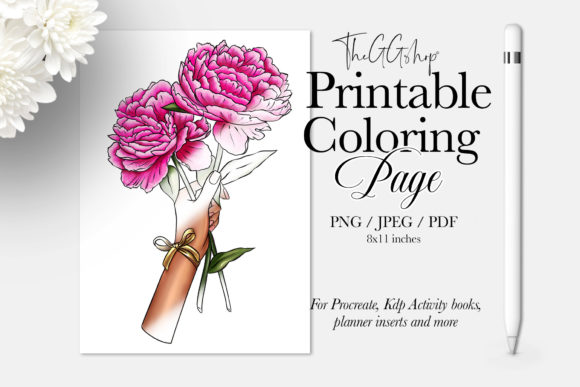
Finding a truly versatile design asset that bridges the gap between personal relaxation and professional branding can be a challenge. The Peony Flower Coloring Page is a unique piece that accomplishes exactly that. At first glance, it’s a beautiful, intricate illustration of a beloved flower. But its true value lies in its technical construction and the creative freedom it offers. This isn't just a simple outline; it's a meticulously crafted tool for designers, content creators, and entrepreneurs looking for organic, feminine visual elements. The peony itself, with its lush, layered petals, carries a sense of romance, prosperity, and elegance. This particular rendering captures that personality with a delicate yet confident line work that feels authentic and full of character.
Technical Craftsmanship for Modern Workflows
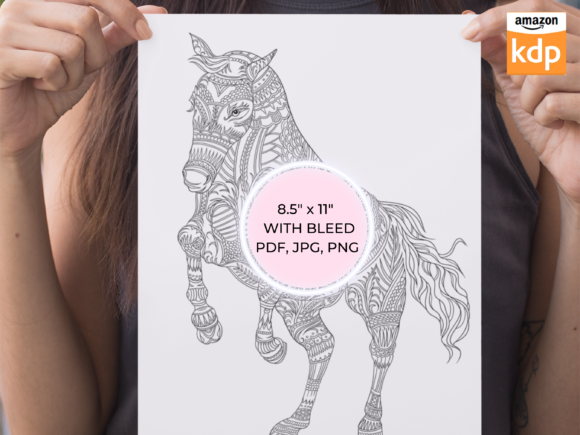
What sets this Peony Flower Coloring Page apart is its deliberate design for dual-purpose use. The listing highlights that it's a hand-drawn coloring page made without Bezier curves. This is a significant detail. It means the lines have an organic, slightly imperfect quality that digital vector art often lacks. This handmade feel is a powerful asset in branding and marketing, as it conveys authenticity and a personal touch—qualities highly valued in today's market.
More importantly, the file is engineered for both traditional and digital coloring. All areas are closed paths, which is a technical necessity for seamless use with the bucket fill tool in software like Procreate, Adobe Illustrator, or Affinity Designer. For a content creator or small business owner, this translates directly to efficiency. You can quickly change the color scheme of the entire peony to match your brand palette for social media graphics, website banners, or packaging mockups. The included formats—a 300 DPI PNG with a transparent background, a JPEG, and a print-ready PDF—provide the flexibility needed for any project, from a high-resolution print product to a crisp digital overlay.
Practical Applications Across Creative Projects
The applications for this asset extend far beyond a simple coloring activity. Its style and format make it a valuable component of a larger design assets library. Here’s how different professionals might integrate it:
- Brand Identity & Logo Design: For brands in the wellness, beauty, floral, or lifestyle spaces, the peony illustration can serve as a foundational element. It can be adapted into a standalone logo mark, a secondary brand icon, or a recurring pattern. The hand-drawn nature supports a brand identity that feels artisanal, gentle, and approachable.
- Editorial & Packaging Design: In editorial design, the peony can function as a beautiful spot illustration in magazines, blogs, or lookbooks. For packaging design, it’s ideal for product labels, gift tags, or box art, especially for florists, skincare brands, or artisanal goods. Its closed paths make recoloring for different product lines straightforward.
- Digital & Social Media Graphics: The transparent PNG is perfect for layering in web design or social media graphics. Use it as a decorative element on a website hero image, as a frame for text in an Instagram story, or as a pattern fill for a Pinterest pin. The ability to change colors ensures visual consistency across your digital presence.
- Marketing & Print Materials: From wedding invitations and greeting cards to promotional flyers and business stationery, the peony adds a sophisticated, feminine flair. Its 300 DPI resolution guarantees sharp, professional results in print.
Integrating the Asset: A Practical Guide
To leverage this asset effectively, consider it as a premium font or a key typeface in your toolkit—it needs to be used with intention. Here’s a practical approach:
- Evaluate Project Fit: Does your project call for an organic, hand-crafted aesthetic? The peony pairs exceptionally well with script fonts or handwritten fonts for a cohesive, personal feel. It can also provide a soft contrast to clean sans serif fonts in modern layouts.
- Test Font Pairings: If using the peony alongside text, test combinations. A flowing script font for headings can mirror the peony's curves, while a simple sans serif for body copy ensures readability. The illustration shouldn't compete with the typography but complement it.
- Leverage the Formats: Use the PDF for quick, high-quality prints. Use the transparent PNG for digital compositing and layering in design software. The JPEG is useful for contexts where a white background is needed.
- Consider Commercial Use: Always review the licensing terms provided in the listing. Understanding the commercial font (or asset) license is crucial before incorporating it into client work, products for sale, or large-scale marketing campaigns to ensure compliance.
Ultimately, the Peony Flower Coloring Page is more than a decorative image. It’s a thoughtfully built creative font—or rather, a creative asset—that understands the needs of modern creators. It offers the charm of hand-drawn art with the technical precision required for professional digital and print workflows, making it a worthy addition to any designer's or entrepreneur's resource library.